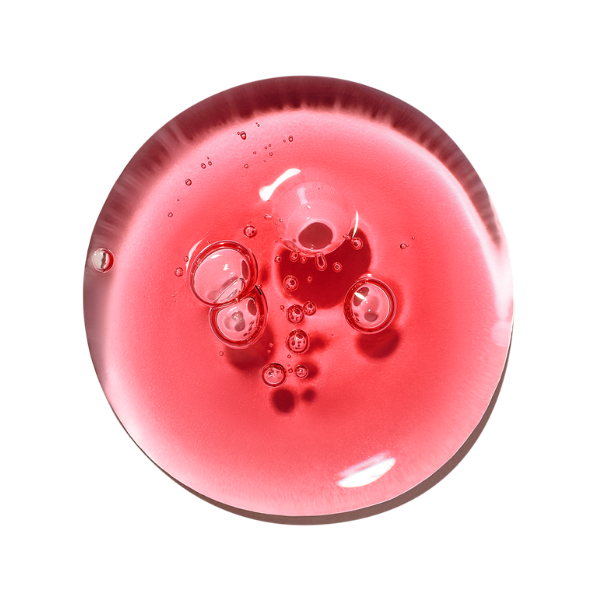
Rosacea & Couperose: Calming Redness
What is rosacea and what are the signs?
Rosacea is a chronic inflammatory skin condition that mainly affects the face: persistent redness, visible capillaries (couperose) and sensitive skin that is quickly overwhelmed. Anyone affected needs a low-irritation routine that strengthens the skin barrier rather than putting it under additional strain. This is exactly what huut. skincare is designed for.
Typical signs are reddened cheeks, nose and forehead, an uneven complexion and a burning or tight feeling. Rosacea occurs in flare-ups and cannot be cured, but it can be kept stable through consistent care and by avoiding triggers.
Which triggers make rosacea redness worse?
Redness is usually set off by a combination of stimuli rather than a single factor. The most common triggers include:
- Changes in temperature, heat and cold
- UV radiation without sun protection
- Stress and lack of sleep
- Alcohol and spicy food
- Overly intensive or alcohol-based skincare
A trigger diary helps you identify your individual triggers. The key is not to irritate the skin further, but to build up its resilience step by step.
How should you care for skin with rosacea?
With rosacea, the rule is: soothe rather than irritate. Cleanse gently, avoid harsh exfoliants and strengthen the skin barrier with moisturising, antioxidant ingredients. A consistent morning and evening routine has a more lasting effect than occasional intensive treatments.
Which active ingredients help with rosacea?
For red, reactive skin, the focus is on barrier-strengthening and soothing ingredients. Vitamin B12 supports regeneration and makes redness appear less pronounced. Vitamin B5 (panthenol) strengthens the moisture balance and barrier function. Niacinamide contributes to a more even complexion, while aloe vera eases feelings of tightness and antioxidant ingredients buffer oxidative stress.
Even a single product can already help stabilize the skin in this phase.
- Regular price
-
€179,00 - Unit price
-
€596,67 per 100ml
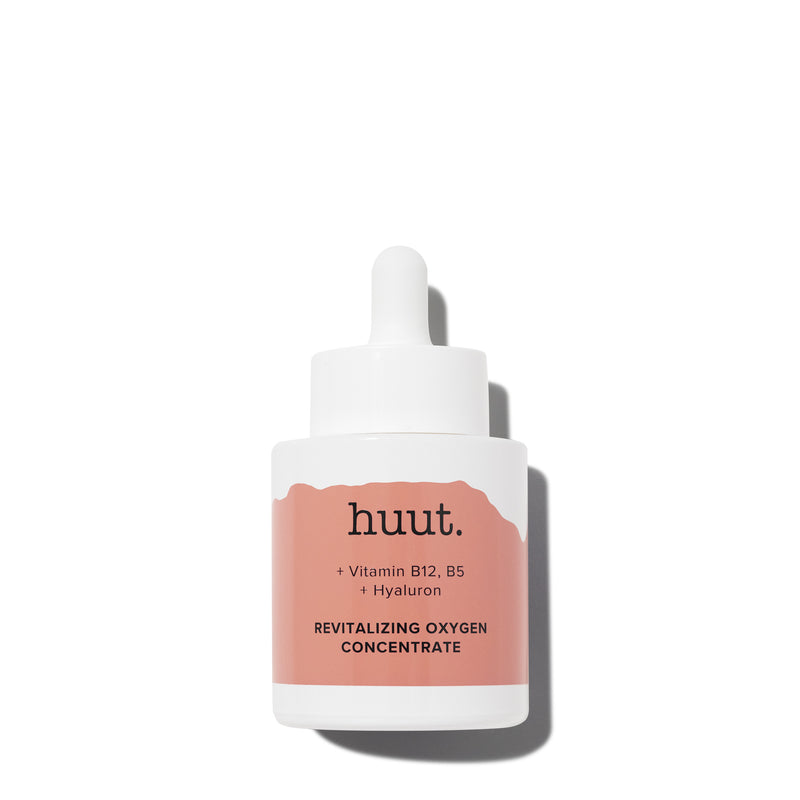
High-performance regeneration booster – supports deep skin renewal, visibly calms stressed skin, strengthens the barrier and activates collagen production.
Recommended Routine
Step 1
Prepares the skin while maintaining its balance.
 CLEANSING FOAM
- Regular price
-
€41,00 - Unit price
-
€27,33 per 100ml
Step 2
Refines skin texture and supports skin renewal.
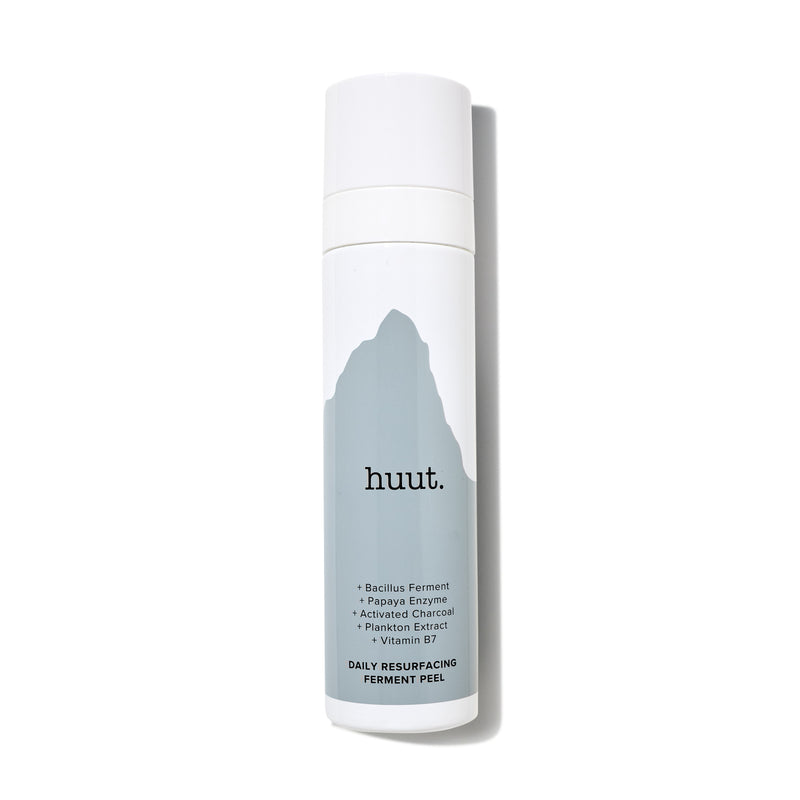 DAILY RESURFACING FERMENT PEEL
- Regular price
-
€89,00 - Unit price
-
€178,00 per 100ml
Step 3
Helps reduce micro-irritation, supports the barrier and improves absorption.
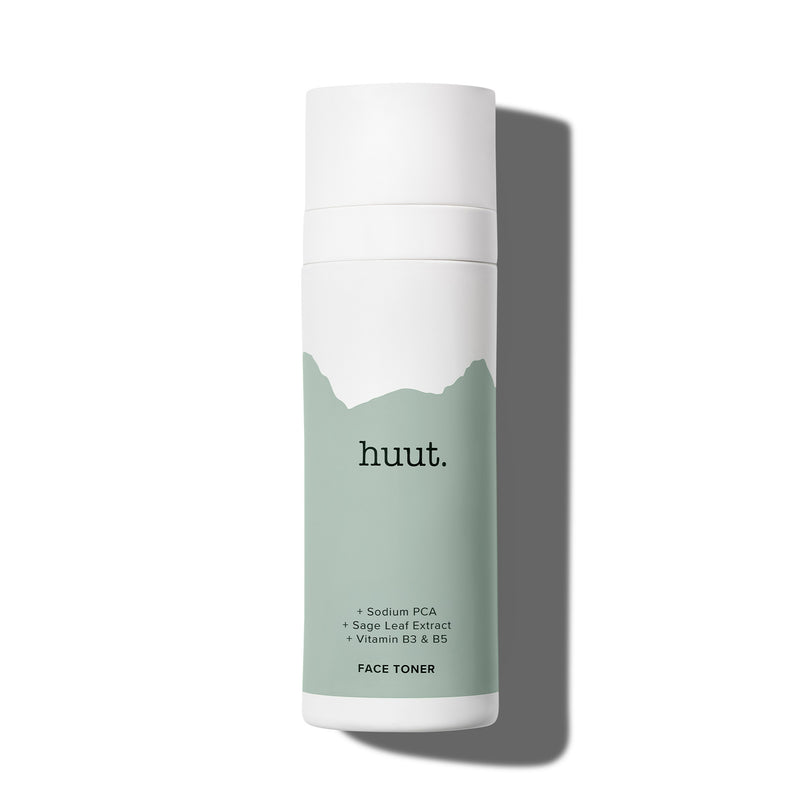 Face Toner
- Regular price
-
€41,00 - Unit price
-
€136,67 per 100ml
Step 4
Supports regeneration and reinforces the skin barrier.
REVITALIZING OXYGEN CONCENTRATE
- Regular price
-
€179,00 - Unit price
-
€596,67 per 100ml
Step 5
Supports structure and hydration around the eyes.
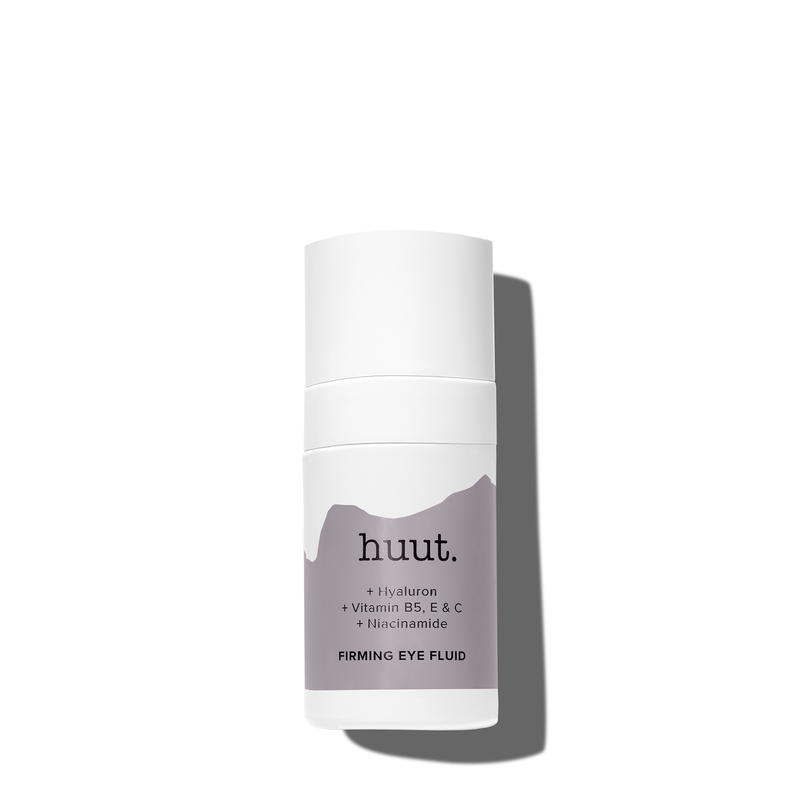 FIRMING EYE FLUID
- Regular price
-
€68,00 - Unit price
-
€45,33 per 10ml
Step 6
Supports structure and moisture balance.
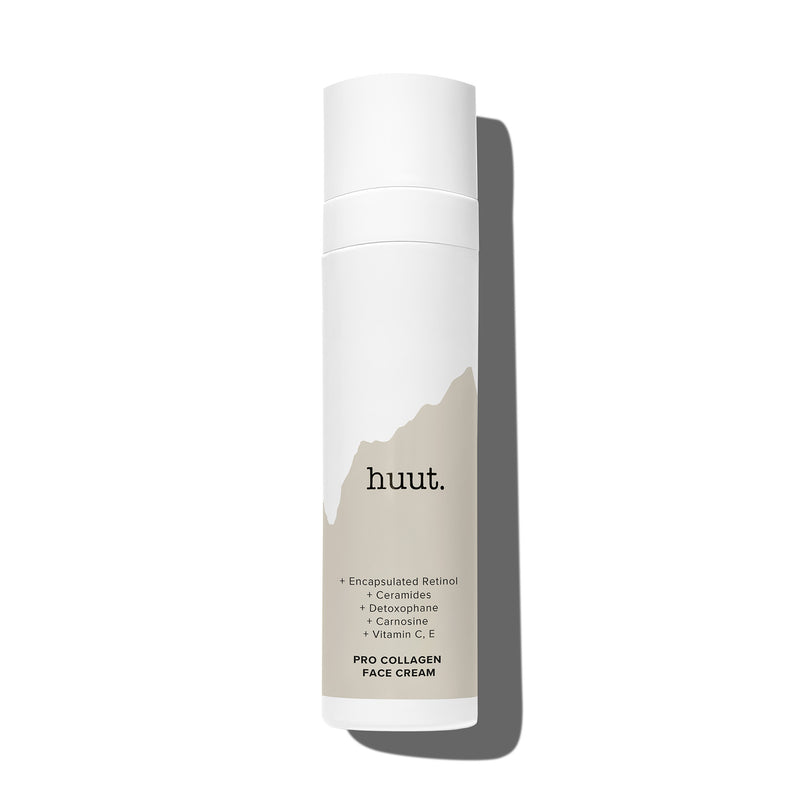 PRO COLLAGEN FACE CREAM
- Regular price
-
€93,00 - Unit price
-
€186,00 per 100ml
Key Ingredients
The focus is on ingredients that help calm the skin, strengthen barrier integrity and support long-term resilience.